
Understanding Motor Truck Cargo Insurance Basics
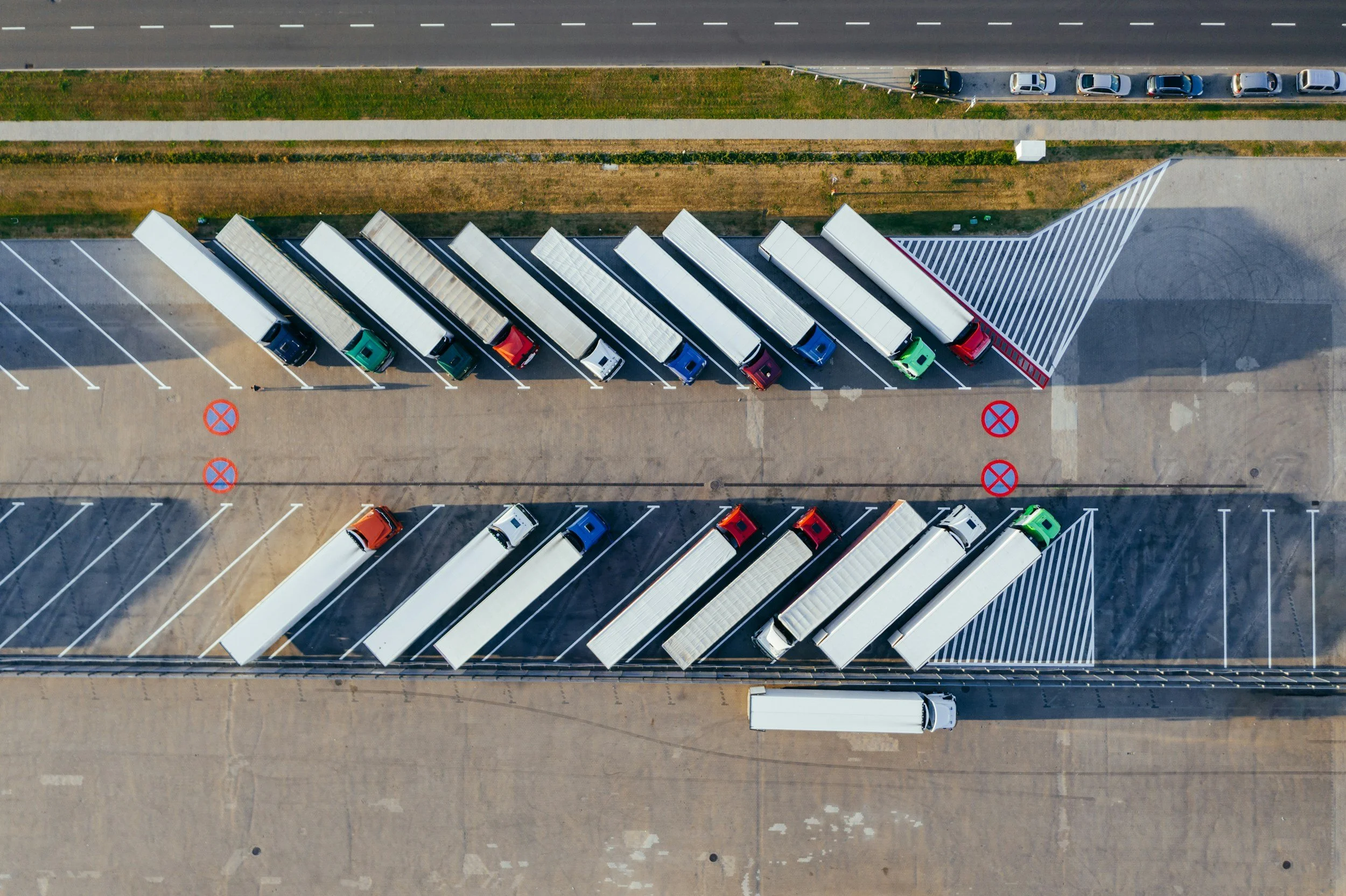
Motor truck cargo insurance helps protect freight while it is being moved by a commercial truck. In Alberta, it can also be part of a carrier’s legal and contract obligations, depending on the vehicle, cargo, and operation. This guide explains what cargo coverage usually does, how it fits with truck insurance, and what to check before you rely on a policy.
What does motor truck cargo insurance cover?
Motor truck cargo insurance covers loss of or damage to goods a carrier is hauling for someone else. It is different from commercial auto liability, which responds to injury or property damage caused to others. Cargo coverage is about the freight itself: the product in the trailer, on the flatbed, or inside the reefer.
Cargo insurance policies may respond to cargo damage caused by events such as:
Collision or overturn while the freight is in transit.
Theft of covered cargo, subject to security conditions.
Fire, lightning, or explosion.
Damage during loading or unloading, if that activity is included.
Water damage, if not excluded and tied to a covered cause.
Reefer breakdown losses, but only when temperature-sensitive goods and equipment failure are properly insured.
It’s important to know that cargo policies are not all written the same way. One policy may cover loading and unloading. Another may exclude it or limit it. One may only accept general dry freight. Another may restrict electronics, alcohol, pharmaceuticals, seafood, or other higher-risk commodities.
If a pallet of goods is damaged and the shipper expects payment, the cargo policy is the first place many carriers look. Without the right freight insurance, the carrier may be left negotiating the loss from operating cash.
Cargo insurance is not the same as liability coverage
While it’s common to bundle liability and cargo coverage, they are separate insurance categories. Cargo insurance may be required to cover loss of or damage to goods transported, while liability coverage addresses public liability and property damage. The government of Alberta lists minimum cargo insurance amounts from $15,000 to $32,000 per vehicle for many commercial trucks, depending on registered gross weight, with separate rules for some cargo types and exemptions.
That minimum is not the same as the amount a broker, shipper, or customer may require. A legal minimum can be much lower than the value of the load in the trailer. It can also be lower than the limit required in a freight contract.
Think of the coverages this way:
Commercial auto liability: responds when your truck causes bodily injury or property damage to others.
Physical damage coverage: protects the tractor or trailer itself, if purchased.
Motor truck cargo insurance: protects covered goods being transported for others.
General business insurance: may respond to other business risks, but normally does not replace cargo coverage.
This is where many coverage gaps start. A carrier may have truck insurance for the vehicle and still not have enough insurance for the load.
Common Cargo Insurance exclusions to watch out for
The most useful part of a cargo policy is often the exclusions page. It tells you when the insurer can say no, reduce the payment, or apply a special condition. That is why the cheapest policy is not always the least expensive choice after a claim.
Watch for exclusions or restrictions involving:
Unattended vehicle theft: Some policies require locked vehicles, secure yards, alarms, tracking, or specific parking practices.
High-value goods: Electronics, tobacco, liquor, cannabis, pharmaceuticals, jewellery, or similar goods may need approval or endorsement.
Temperature-controlled freight: Perishable goods may be excluded unless reefer breakdown or spoilage coverage is added.
Improper packaging or loading: If the shipper packed the goods poorly, coverage can become complicated.
Employee dishonesty or voluntary parting: Losses involving fraud, scams, or handing goods to the wrong person may be limited or excluded.
Delay, loss of market, or penalties: Many policies cover physical loss or damage, not every financial consequence of a late or failed delivery.
Ask for the actual policy wording, not only the certificate of insurance. A certificate shows that insurance exists, but it does not show every exclusion, condition, or commodity restriction.
Alteri’s insurance experts can review your current policy to help identify gaps in coverage that could leave your business at risk. Our licensed brokers can also compare coverage to find the best insurance company and policy options to protect your business moving forward.
How much cargo coverage is enough?
The right cargo limit should reflect the highest realistic value of goods carried, not only the minimum required to register or operate. In Alberta, official carrier material describes statutory cargo insurance requirements that can be as low as $15,000 for some weight classes and higher for others, but freight contracts may demand more.
Many dry van and reefer operations are asked for limits such as $100,000 or $200,000 by brokers or shippers. Specialized freight can need more protection. You don’t need the exact same coverage as another company, customize your insurance by matching the limit to your cargo and contracts.
If a carrier regularly hauls $140,000 in packaged food, a $100,000 cargo limit may leave a large uninsured amount after a serious loss. If that food is temperature-sensitive and spoilage is excluded, the gap could be larger.
Use this short checklist before choosing a limit:
List your regular commodities. Include seasonal work and occasional high-value loads.
Find the highest load value. Use invoice value, not a guess based on weight or trailer space.
Check broker and shipper contracts. Note the required cargo limit, deductible, and special wording.
Review legal requirements. Alberta rules may set minimums, but contracts may go further.
Match endorsements to the freight. Add reefer breakdown, tarping, debris removal, or loading and unloading coverage where needed.
Confirm the deductible. A $5,000 deductible may be manageable for one carrier and a cash-flow problem for another.
Logistics of cross-border operations for Alberta Carriers
Alberta carriers often move freight between industrial yards, farms, warehouses, oilfield sites, distribution centres, and other provinces. Some also cross into the United States. Each operation can create a different insurance need.
A local flatbed carrier may need close attention to securement, tarping, loading, and weather-related exposure. A reefer carrier should focus on temperature logs, maintenance records, spoilage terms, and reefer breakdown coverage. A carrier handling less-than-truckload freight may need clear procedures for shortages, mixed shipments, and multiple bills of lading.
Alberta’s commercial carrier resources also point carriers to licensing, registration, insurance, cargo securement, and safety compliance materials. These resources are useful because insurance and compliance are connected in practice. A claim can become harder if records are weak, cargo was not secured properly, or the driver cannot show what happened.
Choosing a cargo insurance provider takes more than a price check
Price matters. So does the policy wording. Cargo claims are often urgent because the customer wants an answer, the broker wants documents, and the carrier wants the truck back on the road.
Before buying or renewing, compare providers on practical details:
Which commodities are covered, restricted, or excluded.
Whether the insurer understands your equipment, such as reefers, flatbeds, tankers, or dry vans.
How claims are reported after hours.
What documents are needed after a loss.
Whether coverage applies during loading, unloading, storage, or temporary stops.
Whether the policy territory matches your actual routes.
Whether certificates can be issued quickly for brokers and shippers.
A good truck insurance discussion should feel specific. If every answer sounds the same for every carrier, a licensed broker can help you design a customized insurance plan.
Keep cargo coverage aligned with the business
Cargo insurance is not a one-time setup. Freight changes. Contracts change. A carrier that started with local dry goods may later haul refrigerated products, higher-value freight, or cross-border shipments. Each change can affect coverage.
Review the policy when you add a truck, change equipment, accept a new commodity, sign a new broker agreement, or increase the value of loads. Keep bills of lading, delivery receipts, temperature records, maintenance records, photos, and incident notes organized. Those records can shorten the distance between a reported claim and a clear coverage decision.
This article is not a substitute for advice from a licensed commercial insurance professional. It is a plain-English starting point. For Alberta carriers, the key takeaway is: know the value of the freight, read the exclusions, and make sure the cargo insurance you choose matches both legal requirements and the coverage you need for optimal cargo protection.
